Gisela Keller · 18 October 2026
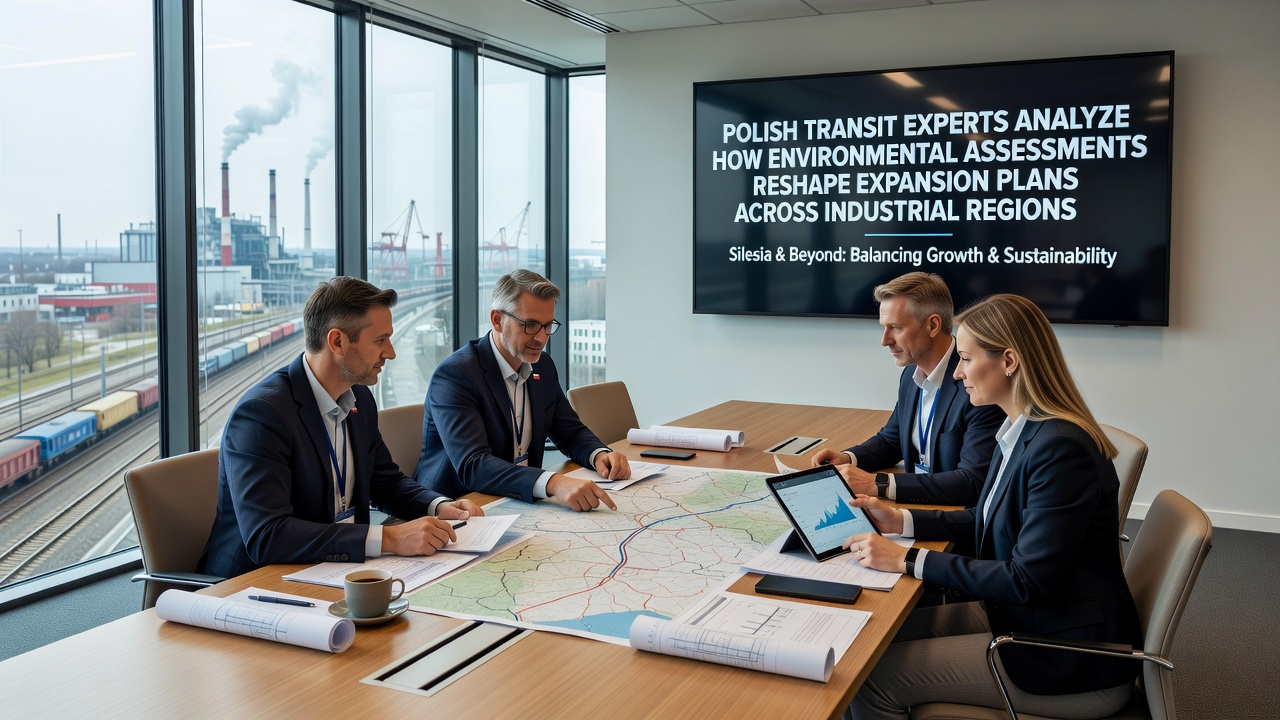
Polish Transit Experts Analyze Environmental Assessments' Role in Reshaping Industrial Expansion Plans
Polish transit experts have spent recent years examining how mandatory environmental assessments influence rail and road expansion projects in key industrial zones such as Upper Silesia and the Łódź region, and data collected through 2025 shows these reviews frequently lead to route modifications or extended timelines. Researchers from institutions including the Warsaw University of Technology have documented cases where habitat protection requirements prompted planners to reroute freight corridors away from protected wetlands, while air quality standards forced adjustments to tunnel ventilation systems in coal-heavy districts.
Assessment Processes and Regional Patterns
Environmental impact assessments under EU directives require detailed studies of noise, emissions, soil contamination, and biodiversity before major infrastructure receives approval, and Polish authorities integrate these steps into national transport strategies administered by the Ministry of Infrastructure. In October 2026 several regional planning boards are scheduled to release updated guidelines that incorporate fresh data on particulate matter levels around existing industrial rail lines, which could affect proposed connections between Katowice and surrounding manufacturing hubs. Observers note that projects passing through areas with legacy mining contamination often encounter additional remediation demands that extend preparation phases by 18 to 24 months on average.
Figures from the Polish General Directorate for National Roads and Motorways reveal that between 2022 and 2025 roughly 35 percent of submitted transit proposals in industrial counties underwent significant redesign after initial environmental screenings, with most changes involving shifts to elevated viaducts or adoption of quieter track materials. These adjustments aim to reduce fragmentation of local ecosystems while maintaining freight capacity needed by steel plants and chemical facilities.
Case Examples from Industrial Corridors
One project connecting the Port of Gdańsk to inland logistics parks illustrates the pattern, where initial plans for a double-track line through agricultural buffers were altered after assessments identified migratory bird routes, resulting in a 12-kilometer realignment and installation of wildlife overpasses. Similar reviews in the Bydgoszcz-Toruń industrial belt prompted engineers to incorporate noise barriers and electrified segments earlier than originally budgeted, reducing projected diesel particulate output by an estimated 28 percent according to modeling from the Institute of Environmental Protection.
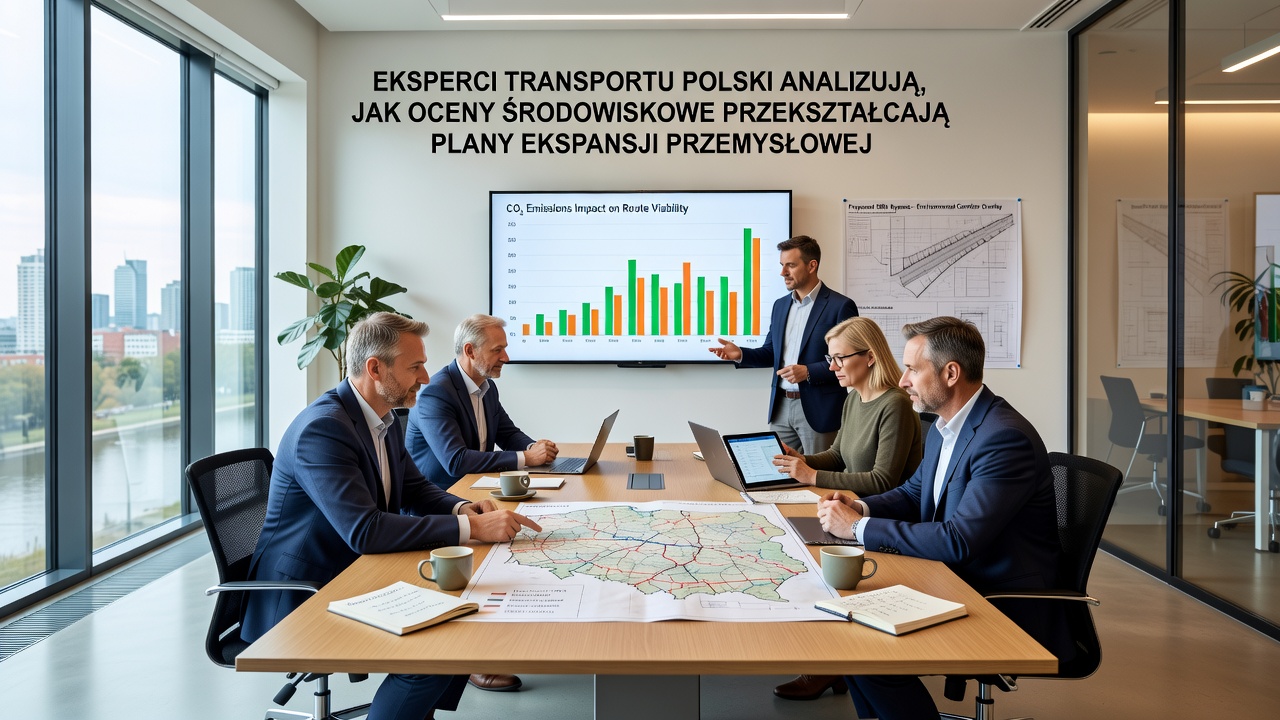
Experts tracking these developments point to the role of cumulative impact analyses, which evaluate multiple projects together rather than in isolation, and such approaches have led some municipalities to consolidate smaller spur lines into single corridors. Data compiled by regional environmental agencies shows that integrated planning reduces overall land take by up to 15 percent in densely developed zones while preserving access for heavy industry.
Data Sources and Ongoing Monitoring
Monitoring programs now require continuous air and vibration sensors along approved routes, with results fed into adaptive management plans that allow further tweaks if thresholds are exceeded. The European Environment Agency provides comparative datasets across member states that Polish analysts reference when calibrating local models for similar industrial settings. Meanwhile reports from the OECD International Transport Forum highlight how assessment timelines correlate with project delivery rates in comparable economies, offering benchmarks for Polish planners refining their procedures.
Conclusion
Polish transit experts continue to refine methodologies that balance industrial connectivity needs with environmental safeguards, and the patterns observed through 2026 suggest assessments function as iterative design tools rather than final hurdles. Ongoing data collection from completed segments will inform the next wave of proposals, ensuring expansion plans account for both economic demands and ecological constraints across industrial regions.