Gisela Keller · 6 September 2026
University Data Links Heat Patterns to Shifts in Polish Suburban Commute Choices
University researchers have compiled datasets showing how rising summer temperatures correlate with changes in how residents of Polish suburbs select their daily travel options, and the patterns emerge most clearly during peak heat periods when traditional routines give way to adjusted schedules and mode preferences. Data collected across multiple academic institutions tracks vehicle counts, public transit ridership, and cycling volumes alongside meteorological records, revealing consistent trends that extend through the warmer months and into projections for September 2026.
Study Methodology and Scope
Teams at several Polish universities aggregated anonymized mobility records from suburban communities around major cities, cross-referencing them with satellite temperature readings and ground station observations collected over five consecutive summers, while the analysis incorporated variables such as humidity levels, urban heat island effects, and public transit capacity expansions that occurred during the same timeframe. Observers note that the resulting correlations hold after controlling for economic factors and infrastructure investments, which allows the heat-related component to stand out in the statistical models.
Observed Shifts in Travel Behavior
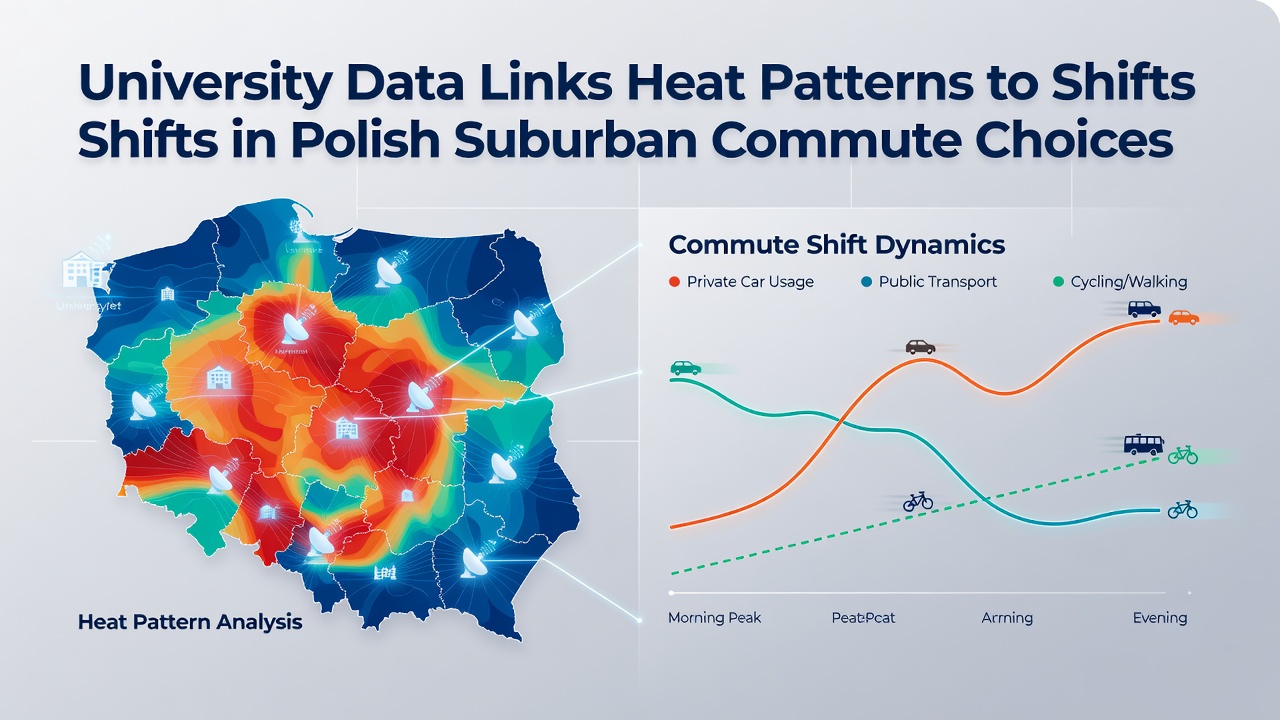
Figures reveal that on days when daytime temperatures exceeded 28 degrees Celsius, suburban commuters increased their use of air-conditioned rail services by an average of 14 percent compared with cooler periods, whereas private car trips declined modestly as drivers sought to avoid traffic congestion amplified by heat-related slowdowns on major routes. Researchers discovered that early morning departures became more common, with departure times shifting forward by 25 to 40 minutes on average during heatwaves, and evening return trips spread across a wider window as people delayed travel until temperatures dropped.
Evidence suggests these adjustments appear most pronounced in communities located 15 to 40 kilometers from city centers, where residents face longer exposure during commutes and where shade along pedestrian or cycling paths remains limited. Those who've studied this know that similar patterns surface in other European regions experiencing comparable temperature increases, yet the Polish dataset offers higher temporal resolution because of the dense network of university monitoring stations.
Regional Temperature Trends
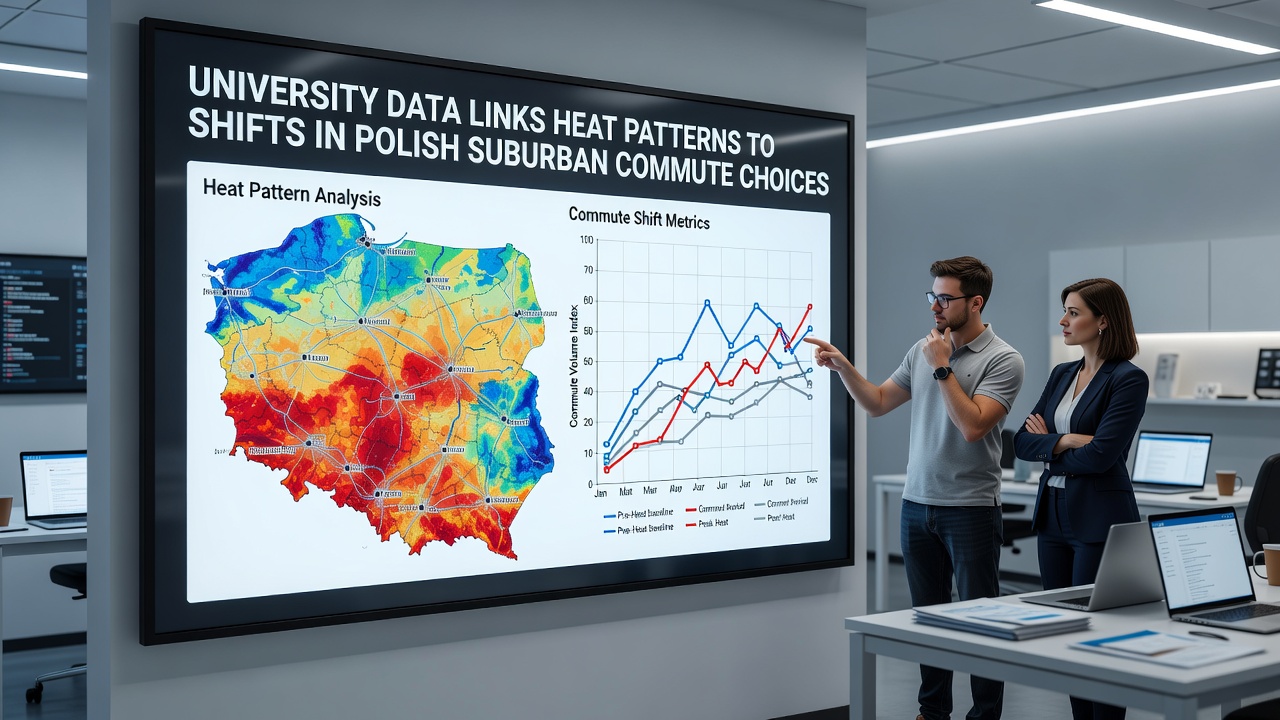
According to data from the Polish Institute of Meteorology and Water Management, average summer maximum temperatures in central Poland have risen by 1.8 degrees Celsius since 1990, with the frequency of days above 30 degrees Celsius doubling in many suburban districts. This warming aligns with broader European patterns documented by the Copernicus Climate Change Service, which reports accelerated heat accumulation across the continent's eastern plains. The university analysis overlays these temperature records onto commute logs to isolate periods when behavioral changes accelerate.
But here's the thing: not all transport modes respond uniformly. Cycling volumes drop sharply once temperatures pass 30 degrees Celsius, while bus routes with newer rolling stock see smaller ridership gains than rail lines equipped with consistent climate control. Data indicates that employers offering flexible start times record higher rates of schedule adjustments among suburban staff, suggesting workplace policies interact with weather conditions to shape overall mobility outcomes.
Planning and Infrastructure Responses
Local governments have begun referencing the university findings when evaluating transit expansions and shade infrastructure projects, and several municipalities have accelerated installation of covered bike shelters and misting stations at key suburban stops. Studies found that these interventions coincide with stabilized ridership numbers even during extended heat periods, although long-term evaluations remain underway. What's significant is the linkage between temperature data and mode choice, which provides planners with an additional metric beyond traditional demand forecasts.
One study revealed that integrating real-time heat alerts into mobile transit apps led to a measurable uptick in preemptive schedule changes, with users shifting departures earlier on forecasted hot days. Academic observers continue to track whether these short-term adaptations evolve into permanent habit changes as average temperatures continue their upward trajectory.
Conclusion
The datasets compiled by university teams demonstrate a clear statistical relationship between elevated temperatures and altered commute patterns across Polish suburban corridors, with measurable effects on mode selection, departure timing, and overall trip distribution. As temperature records are updated through September 2026 and beyond, the same analytical framework offers a method for anticipating further adjustments in travel behavior. Continued monitoring will clarify whether infrastructure adaptations sustain these shifts or whether additional variables enter the equation.