Erik Griffin · 2 September 2026
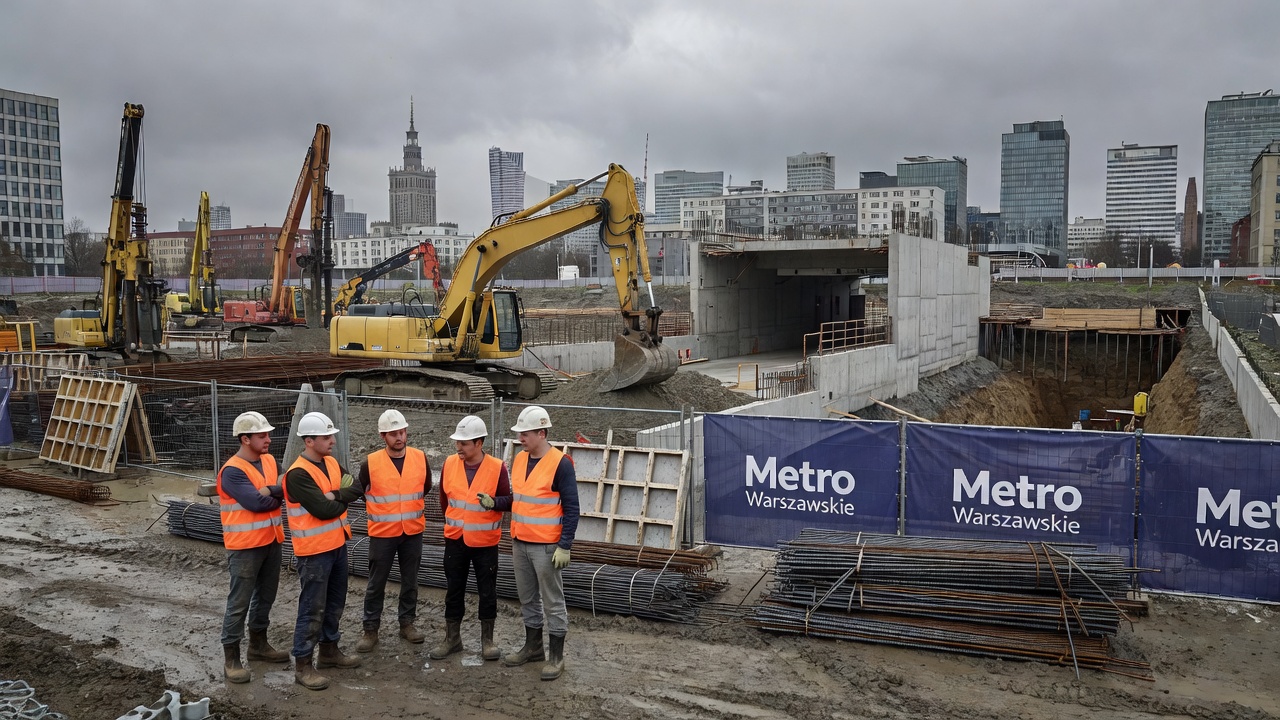
The Warsaw metro extension project has encountered a significant funding shortfall that threatens to delay critical phases of construction. Officials from the city transport authority confirmed last week that the budget gap now exceeds 1.8 billion PLN, primarily due to rising material costs and reduced contributions from central government sources. The extension, aimed at connecting the western districts of Bemowo and Ursus with the city center, was originally slated for completion by 2028.
Project Scope and Timeline Pressures
Initial plans called for 12 kilometers of new track and seven additional stations. Engineering teams have already completed preliminary tunneling work on the first three stations, but procurement for tunneling machines and rail systems has stalled. City planners note that inflation in steel and concrete prices has added nearly 30 percent to original estimates. Without new financing, the second phase linking to the Chopin Airport rail hub may be postponed by at least two years. Local residents in affected neighborhoods have expressed frustration over prolonged construction disruptions and uncertain transit improvements.
Metropolitan Pathways analysts emphasize that Warsaw’s metro network remains one of the smallest among European capitals of similar size. The current shortfall follows a pattern seen in other Polish infrastructure projects where EU cohesion funds have been redirected toward road maintenance rather than urban rail. Negotiations with the Ministry of Infrastructure continue, yet no additional allocation has been confirmed for the 2025 fiscal year.
Economic and Urban Development Consequences
Economists warn that delays could reduce projected ridership gains by 15 percent and slow commercial development around planned stations. Property values in Bemowo have already plateaued after earlier announcements of the extension. Transport modelers project that without the new line, peak-hour congestion on existing bus corridors will increase by 22 percent within five years. City officials are exploring public-private partnership models and possible bond issuance to bridge the gap, though both options require lengthy legislative approval.
Environmental assessments completed in 2023 highlighted the extension’s potential to cut annual CO2 emissions by 45,000 tons through modal shift from private vehicles. Any postponement risks missing Warsaw’s climate targets set under the city’s 2030 sustainability plan. Stakeholders from business associations and urban planning institutes have called for an emergency funding summit involving national and regional authorities before the end of the third quarter.